In the middle of raising children, building careers, carrying other people — it's easy to disappear from your own story.
And you feel it.
The old photos don't move you anymore.
The mirror tells half a story.
And somewhere, quietly, you miss her — the woman you were becoming before you got busy.
Here's the part most people won't say out loud:
She didn't leave.
She's the woman you are now.
Stronger. Softer. Fully herself.
The culture has a word for this chapter. It calls it aging.
I don't.
I call it becoming.
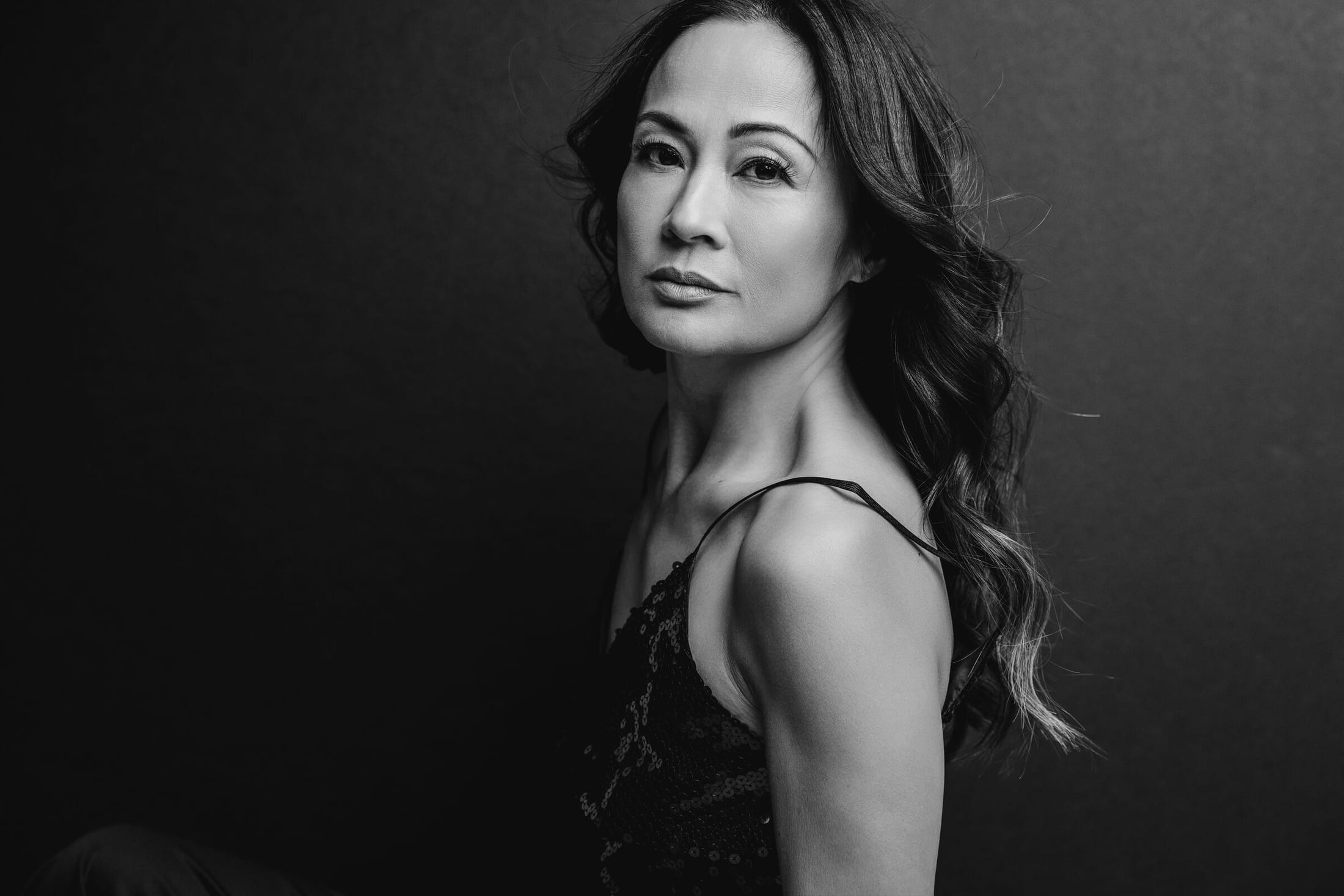
Because I've watched too many women — in my studio, in my life, in the reflection of my own story — arrive at forty, fifty, sixty and finally put down the performance. Finally stop asking permission. Finally move through a room the way they always should have. With certainty. With stillness. With the kind of power that only comes from having survived enough to know exactly who you are.
That woman is not invisible.
That woman is iconic.
And ICONIC is the room where she finally gets seen that way.
 { e.currentTarget.style.display = "none"; e.currentTarget.parentElement.classList.add("ic-hero-fallback"); }}
style={{ position: "absolute", inset: 0, width: "100%", height: "100%", objectFit: "cover", objectPosition: "center 25%", filter: "grayscale(100%)" }}
/>
{ e.currentTarget.style.display = "none"; e.currentTarget.parentElement.classList.add("ic-hero-fallback"); }}
style={{ position: "absolute", inset: 0, width: "100%", height: "100%", objectFit: "cover", objectPosition: "center 25%", filter: "grayscale(100%)" }}
/>